Dog access rules on Devon beaches are set by local councils using Public Spaces Protection Orders (PSPOs). This guide explains how the system works, which council covers where, and how to find the rules for each beach. For a plain-English explanation of the legal framework, see our guide to how UK beach dog bans work.
Under the Anti-social Behaviour, Crime and Policing Act 2014, councils can issue PSPOs to restrict dog access in public spaces. For beaches this typically means:
PSPOs usually run for three years before renewal, so they can change. Councils generally review them before the main summer season. For what the legal terms mean, see our PSPO rules explainer.
Every beach has its own rules, but the common pattern across Devon is:
The headline points by area, checked against our beach data. The regional guides have the full detail.
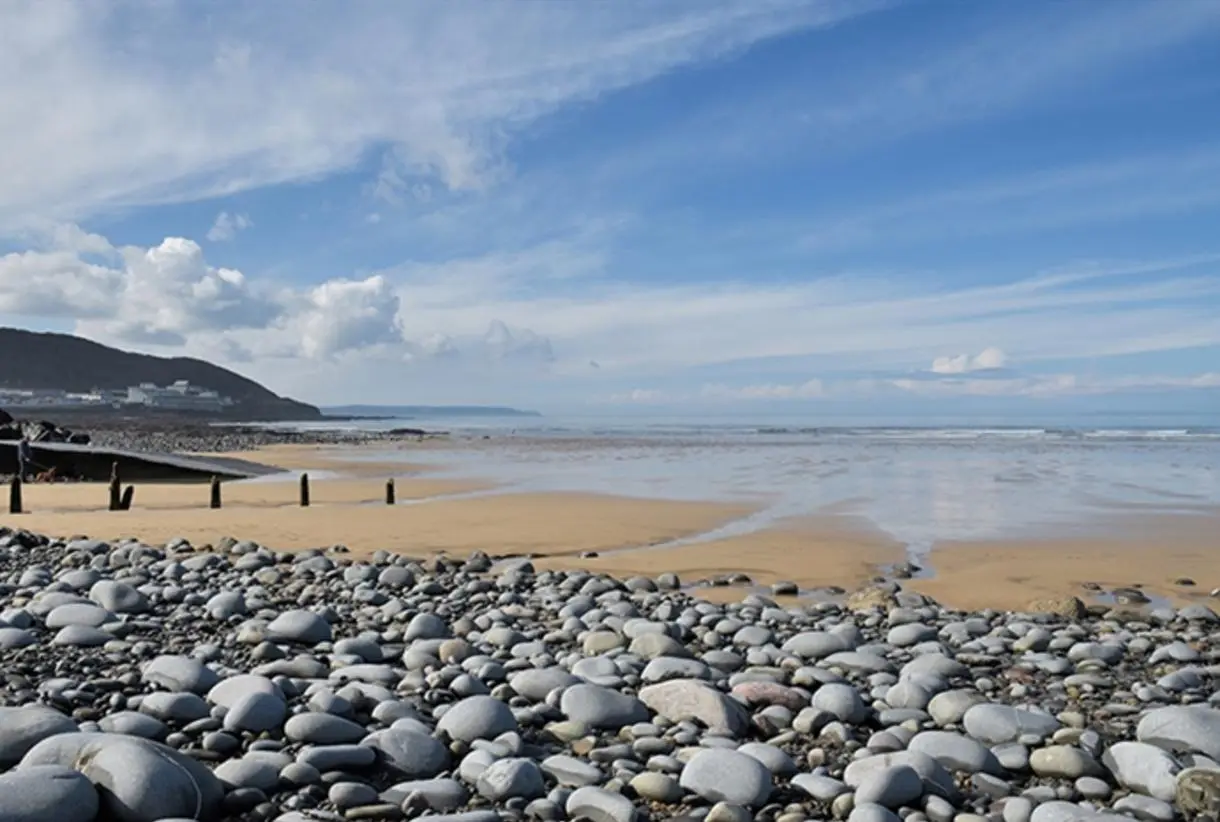
Saunton Sands and Westward Ho! welcome dogs year-round. Croyde Bay has a seasonal summer ban (1 May to 30 September). See our North Devon guide.
Many beaches are year-round, including Slapton Sands and Salcombe North Sands. Blackpool Sands and Bantham both run a seasonal summer ban, though Bantham's estuary side stays open all year. See our South Devon guide.
Exmouth and Budleigh Salterton have seasonal summer restrictions, with year-round zones at several beaches such as Sidmouth's Port Royal and Beer's eastern half. See our East Devon guide.
Most Torbay beaches are seasonally restricted, but several are open year-round, including Babbacombe and St Mary's Bay. See our Torbay guide.
Breaking a PSPO restriction can mean a fixed penalty notice, typically up to 100 pounds and often reduced for prompt payment. In serious cases, prosecution is possible with a fine of up to 1,000 pounds. Failing to clean up after a dog can also bring a fixed penalty.
 Devon Dog Beaches